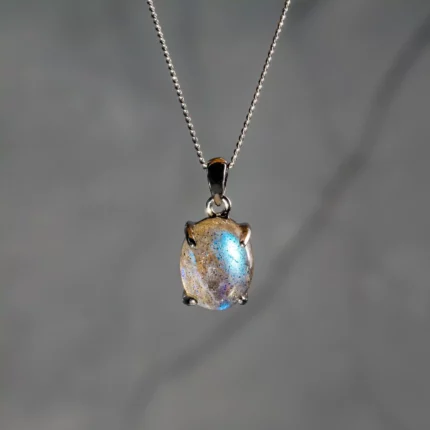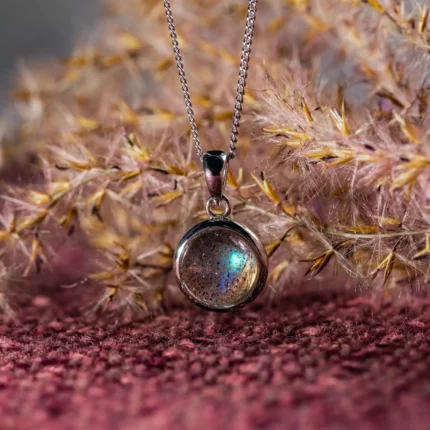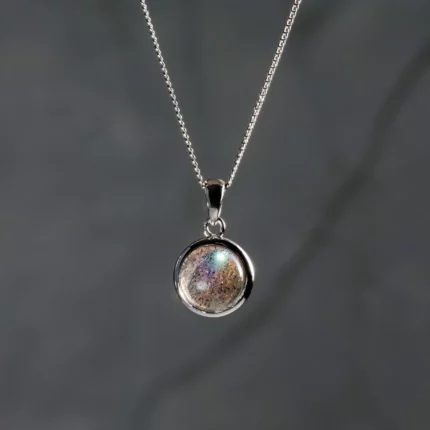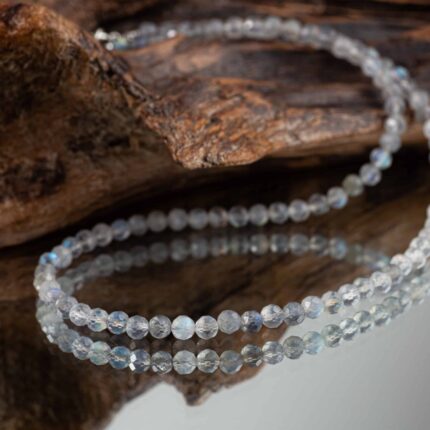
Labradorite Stones & Jewellery
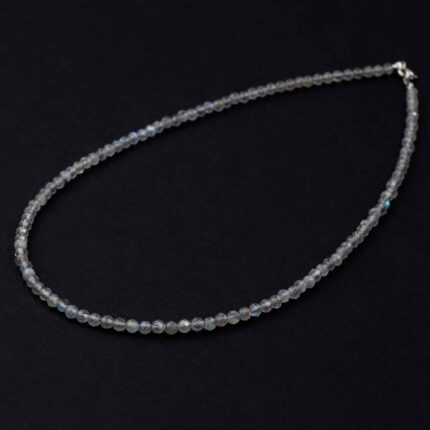
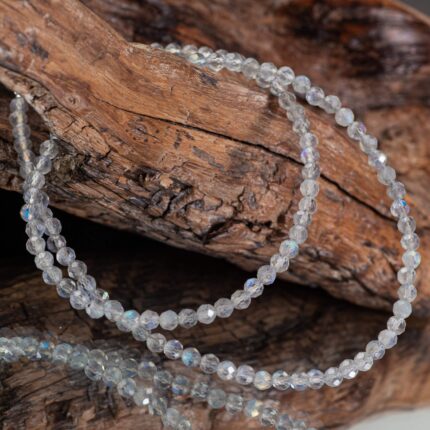
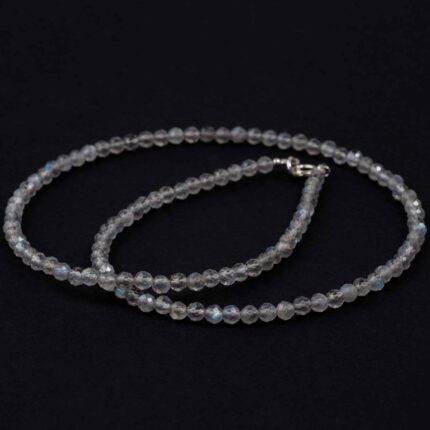
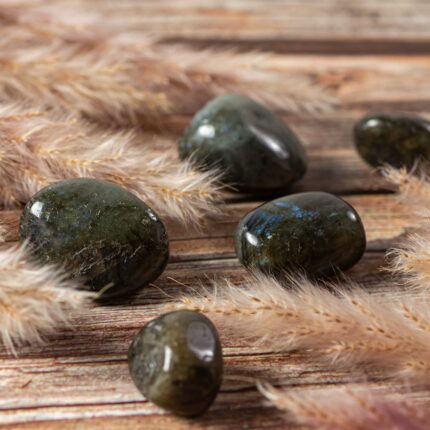
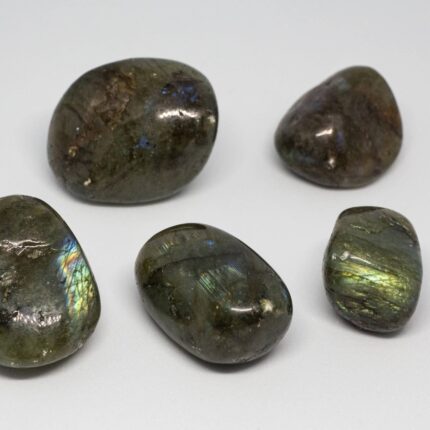
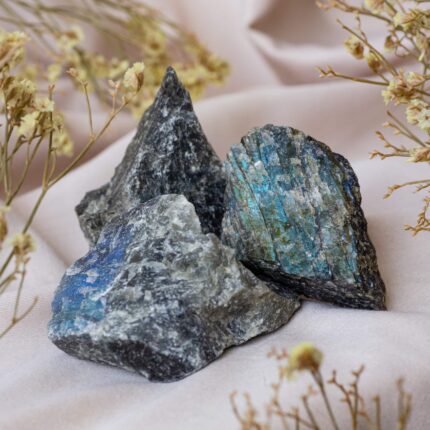
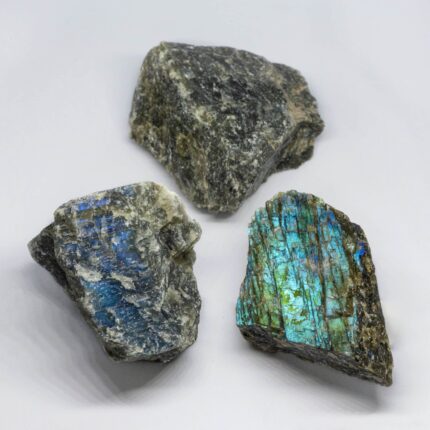
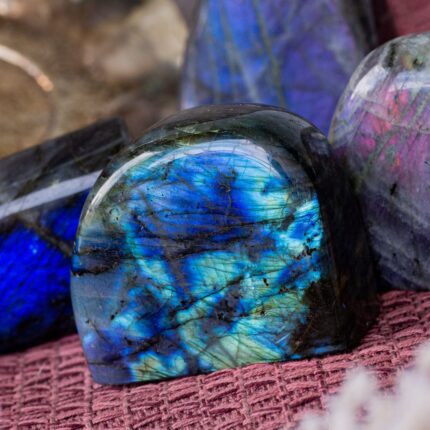
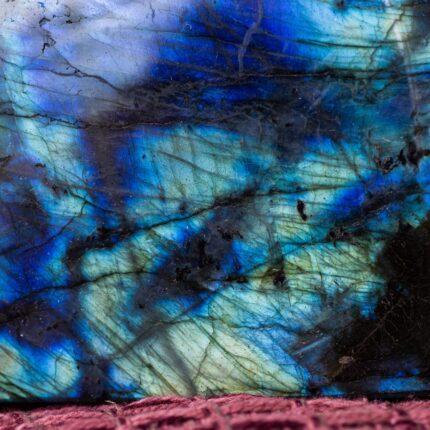
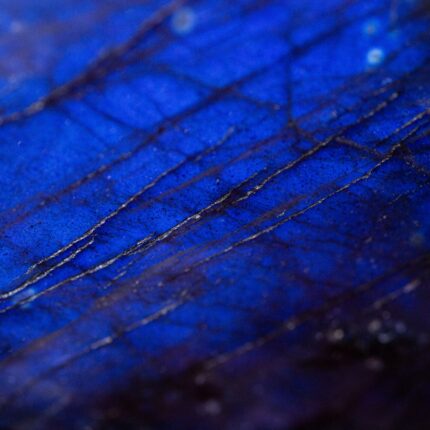
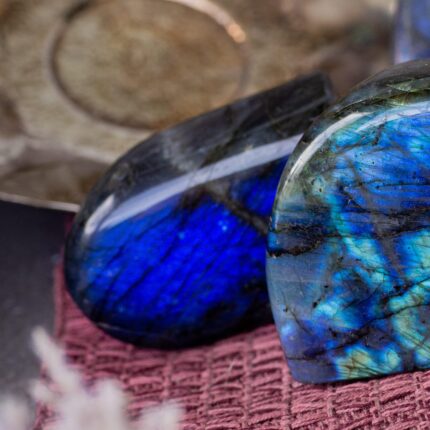
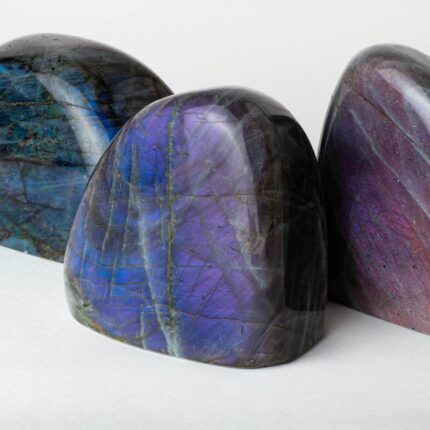
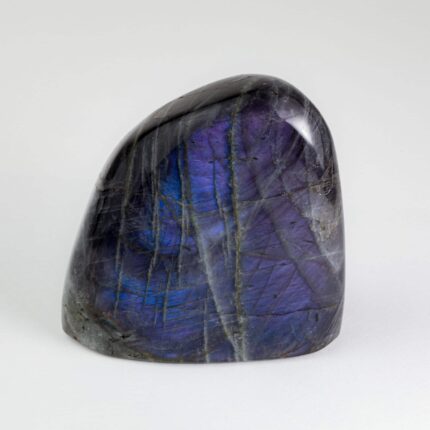
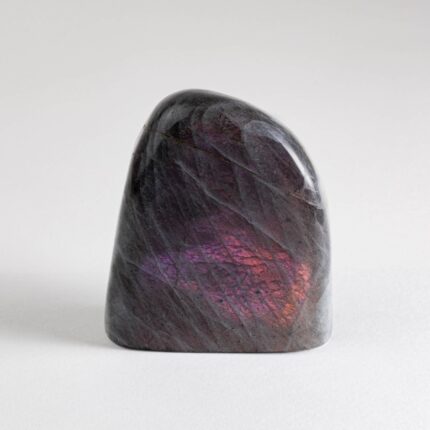
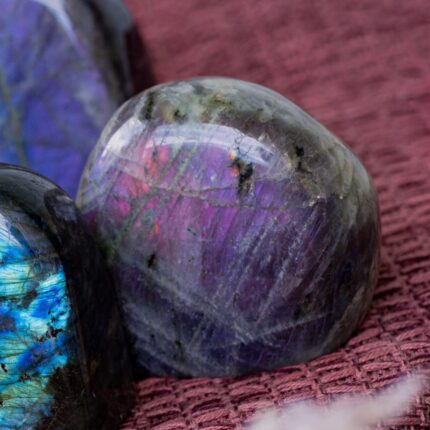
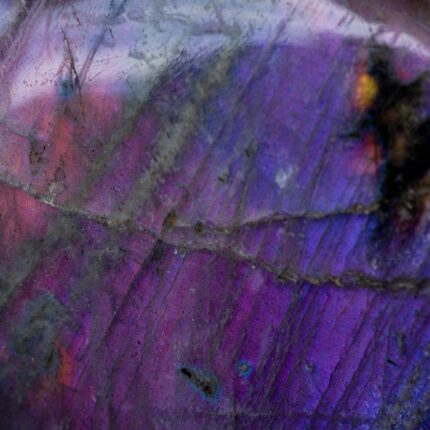
Discover our collection of labradorite. This fascinating semi-precious stone is known for its labradorescence, a shimmering play of colour that shifts with the light, showcasing flashes of blue, green, gold and sometimes even purple. A symbol of transformation, protection and intuition, labradorite is prized for its energy and is said to spark creativity and imagination. Our range includes jewellery, tumbled stones, cut stones and rough stones, for natural mineral lovers and crystal healing enthusiasts alike.
Showing all 20 results
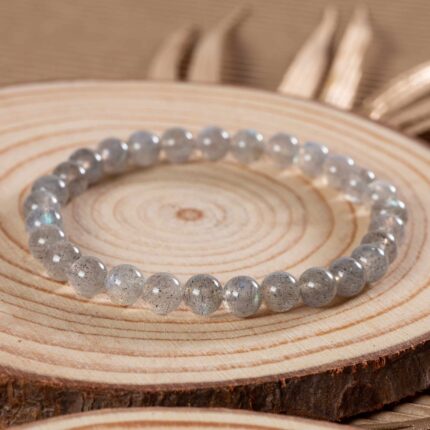
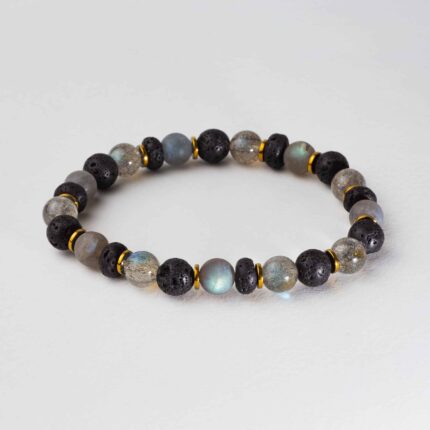
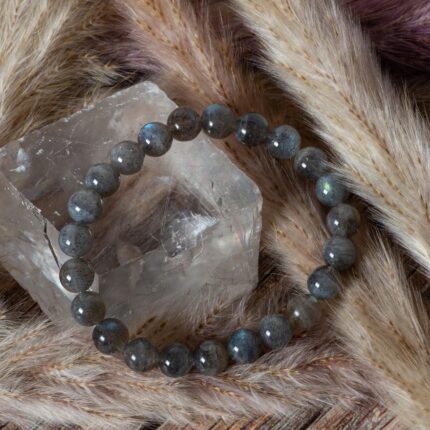
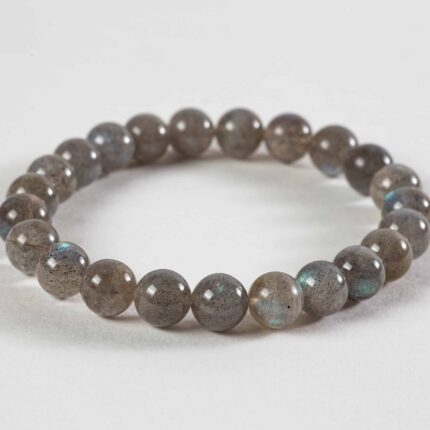
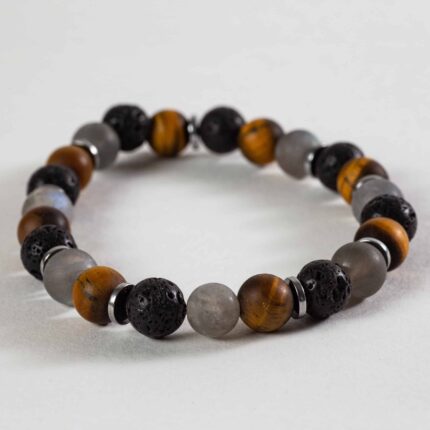
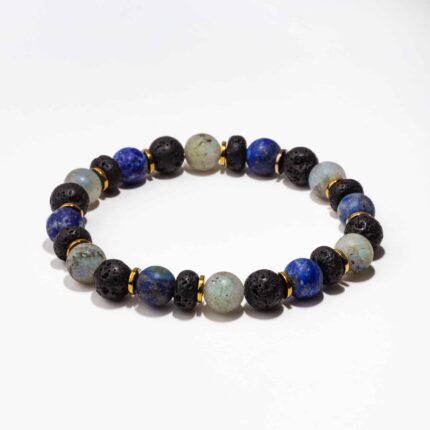
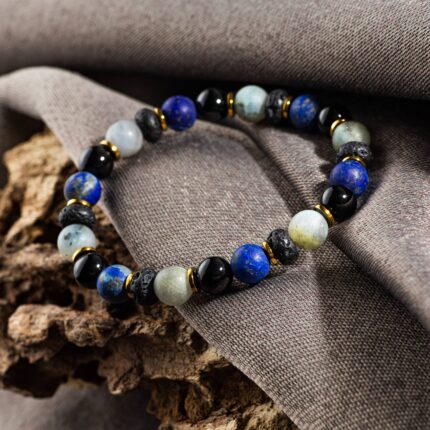
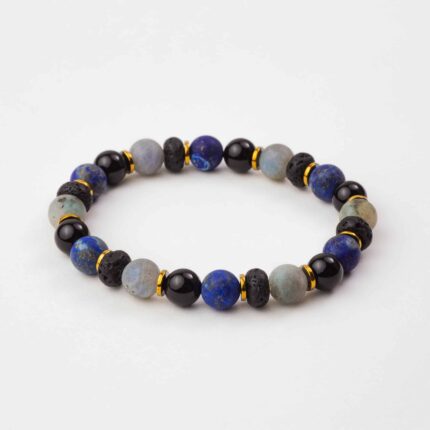
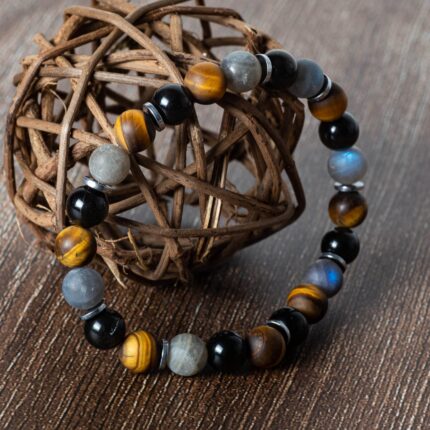
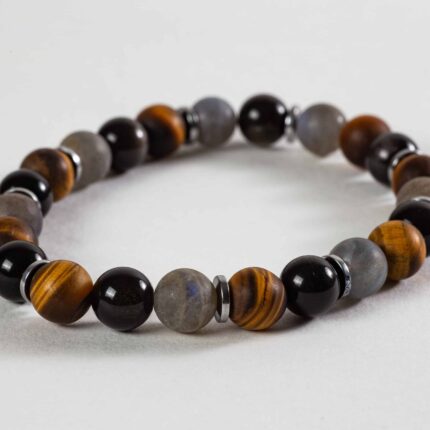
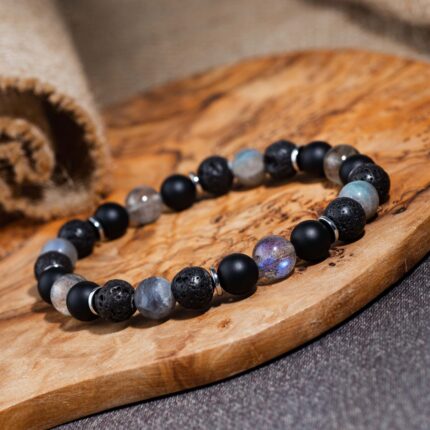
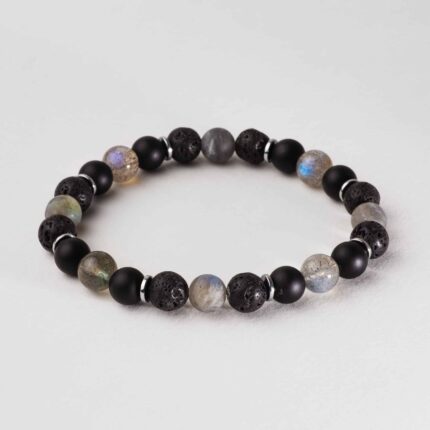
Labradorite Bracelet, 6mm
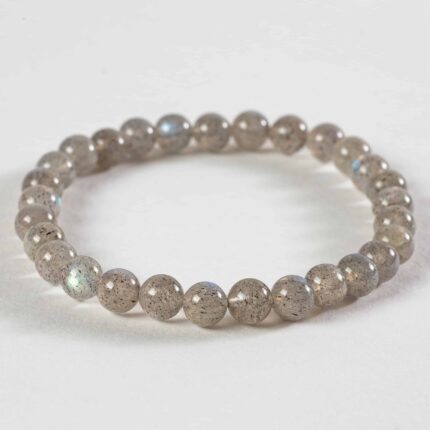
CHF 40 – CHF 45Price range: CHF 40 through CHF 45Labradorite Bracelet, 8mm
CHF 60 – CHF 65Price range: CHF 60 through CHF 65
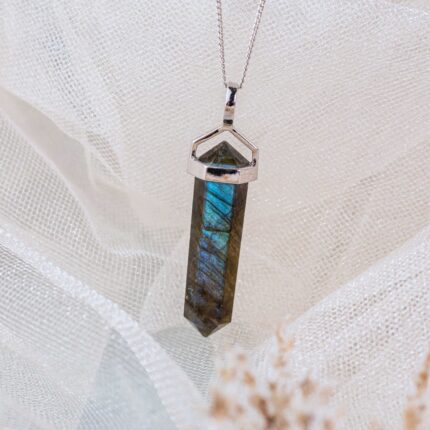
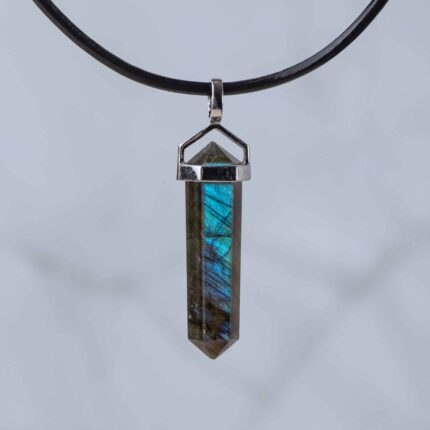
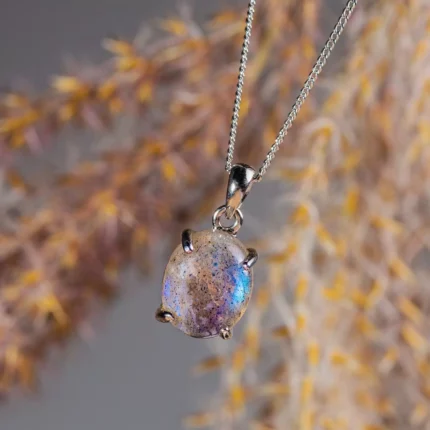
Labradorite Point Pendant, 42mm
CHF 95 – CHF 124Price range: CHF 95 through CHF 124Discover our other gemstones
With its shimmering flashes of blue, green and gold, labradorite is often called the stone of the Northern Lights. Below, discover where it comes from, what it symbolises, its crystal healing properties and how to care for it.
Origin of Labradorite
Labradorite takes its name from the Labrador region of Canada. A member of the feldspar group, it is famous for its labradorescence, an optical effect that creates vivid, shimmering flashes of colour. It is highly prized in jewellery and crystal healing for its unique appearance and protective properties.
The main deposits are in Canada, Madagascar, Finland and Russia, and it is also found in Australia. Labradorite forms in igneous rocks such as basalt and gabbro, as well as in certain metamorphic rocks.
History and Symbolism of Labradorite
Labradorite was known to the Indigenous peoples of Labrador, who kept it in its raw form or as pebbles. According to their animist beliefs, it may have been thought to hold a spirit – a life force of its own, known as the Inua. Because it splits easily along its cleavage planes, it was not used to make tools, unlike chert. The stone was rediscovered in the 18th century by Moravian missionaries in Labrador, and in 1780 the mineralogist Abraham Werner named it after the region. It later became a favourite in Victorian jewellery.
Spectrolite is an exceptional variety mined only in Finland, renowned for its particularly vivid play of colour. The Finnish geologist Aarne Laitakari and his son Pekka discovered a deposit in 1940 at Ylämaa, in south-eastern Finland, while the Salpa Line fortifications were being built.
Mining began after the Second World War and grew into a major local industry. In 1973, the first workshop in Ylämaa began cutting and polishing spectrolite for jewellery. A gemmology centre offering training in stone cutting followed, along with an annual Gems and Minerals Fair launched by Esko Hämäläinen, then mayor of the town.
Over time, labradorite has travelled across continents and found its place in Western culture, where it symbolises intuition, clairvoyance and spiritual awakening.
Crystal Healing Properties of Labradorite
Labradorite is an essential stone in crystal healing, valued as an energy shield and for its regenerative properties. It is renowned for absorbing negative energies, stimulating intuition and protecting against unwanted influences.
Emotional Balance
-
Protection: Labradorite is a valuable ally during times of stress or emotional exhaustion. It acts as a barrier against negative emotions, bringing a sense of calm and stability.
-
The Healer’s Stone: It is particularly helpful for people working in emotionally demanding environments, especially in caring professions, as it helps to maintain balance and prevent burnout by absorbing disruptive energies.
Physical Wellbeing
-
Stress Relief: Labradorite is said to support the immune system by regulating the body’s energy. It is often used to ease stress-related ailments, such as neck tension or migraines, thanks to its soothing effect on body and mind.
Spiritual Harmony
-
Clairvoyance: This stone is reputed to stimulate intuition and develop psychic abilities such as clairvoyance. It is ideal for deep meditation and exploring higher spiritual planes.
-
Awakening: It also encourages introspection and self-discovery, helping you understand your life path and awaken your spiritual potential.
Labradorite and the Chakras
| Third Eye Chakra (Ajna) | Labradorite has a powerful effect on the third eye chakra, sharpening perception and intuition. It helps you see clearly and pick up on the subtle messages of the universe. |
| Throat Chakra (Vishuddha) | It encourages self-expression and communication by releasing energy blockages, allowing you to speak freely and authentically. |
| Solar Plexus Chakra (Manipura) | It boosts self-confidence and protects against outside influences, giving you the vital energy you need to reach your goals. |
Which Stones Go Well with Labradorite?
Combining stones is a lovely way to amplify and deepen your crystal healing practice. Here are a few of our favourite pairings for labradorite.
-
Labradorite & Moonstone: A powerful pairing for balancing feminine and intuitive energies, ideal for exploring your inner world and nurturing creativity. Moonstone brings gentleness, receptivity and a connection to natural cycles.
-
Labradorite & Sodalite: Together, they encourage clear, authentic communication. Sodalite stimulates logic, mental organisation and clear thinking, helping you express yourself sincerely and coherently. It is also said to enhance clairvoyance.
-
Labradorite & Haematite: This pairing balances body and mind. Haematite restores physical strength, regulates the flow of energy and eases mental fatigue – ideal during times of stress or overwork.
-
Labradorite & Clear Quartz: Known as the master healer, clear quartz amplifies energy and intensifies labradorite’s protective, intuitive properties. Together, they support spiritual connection and raise your vibration while keeping you centred and protected.
-
Labradorite & Citrine: Citrine is a sunny stone that radiates positivity and vibrant energy, boosting self-confidence, attracting abundance and turning negative thoughts into opportunities. Together, they make a perfect pair: one protects and clarifies, the other energises and inspires.
Caring for and Using Labradorite
Cleansing and Recharging
Labradorite works by absorbing negative energies from its surroundings, so it needs regular care to keep its protective, regenerative properties.
Cleansing: Run it under a gentle stream of cold water for a few moments, then leave it to air-dry. You can also place it overnight on a quartz or amethyst cluster, or on a bed of salt.
Recharging: Leave it overnight in soft moonlight, ideally at full moon, outside or on a windowsill. You can also place it on a Flower of Life. Avoid prolonged exposure to sunlight, which may dull its sheen over time.
Care
Cleaning: Clean your jewellery regularly with lukewarm water and a mild soap, then rinse well and gently pat dry with a soft cloth. Avoid harsh chemicals and abrasive cleaners.
Storage: Store your jewellery separately to prevent scratches, ideally in a fabric-lined pouch or padded jewellery box, away from heat and damp.
Precautions: Take off your jewellery for any activity where it might be knocked or come into contact with chemicals, and keep the stone away from strong, prolonged light to preserve its lustre.
How to Use Labradorite
Meditation: Labradorite is ideal for meditation. Its protective energy calms the mind, strengthens intuition and helps you connect with your inner self. Hold it in your hands or place it on your third eye to deepen your practice, support visualisation and shield yourself from intrusive energies.
Jewellery: Wear labradorite jewellery to keep its energy close to you. Its shimmering play of colour makes it a favourite with jewellers.
Decoration: At home, its shimmering sheen adds a touch of elegance to any room. Placed on a bedside table, it is said to promote restful sleep. Carers and highly sensitive people also like to keep it at work, as it is believed to protect empaths.
Feng Shui and wellbeing: In Feng Shui, labradorite is placed in areas linked to protection, such as the entrance to the home. In an office, it supports mental clarity and protects against emotional stress.
Mineralogy and Composition of Labradorite
Labradorite belongs to the feldspar group, one of the most widespread mineral families in the Earth’s crust. It is known for labradorescence, a play of colour caused by light interference between extremely thin internal layers within the crystal. This unique property makes it a highly prized stone in jewellery.
| Group / family | Plagioclase feldspar |
| Subgroup | Intermediate plagioclase |
| Chemical class | Silicate |
| Subclass | Tectosilicate |
| Chemical formula | (Ca,Na)(Al,Si)₄O₈ |
Formation
Labradorite forms in igneous rocks, particularly basalt and gabbro, as well as in certain metamorphic rocks. It crystallises at high temperatures as magma slowly cools, forming triclinic crystals. As the crystal cools further, it separates into extremely fine alternating layers of slightly different composition: these layers interfere with light to create its famous labradorescence. The main deposits are in Canada, Finland and Madagascar.
| Main component | Plagioclase feldspar: Labradorite is mainly composed of calcium sodium aluminosilicate, with a triclinic crystal structure. |
| Structure and colour | Internal layers (lamellae): Microscopic alternating layers that interfere with light, creating flashes of blue, green, gold and more depending on the viewing angle. |
| Iron-titanium oxide inclusions: Tiny inclusions (such as magnetite or ilmenite) that give the stone its dark grey body colour, against which the flashes of colour stand out. |
Physical Properties of Labradorite
| Hardness and Durability | Mohs scale: 6 to 6.5, hard enough to resist light scratches.
Impact resistance: Moderate. Because of its layered structure and cleavage, it can break if knocked. |
| Refraction of Light | Refractive index: 1.55 to 1.57. This fairly low index gives its sheen a soft, subtly luminous quality. |
| Birefringence: Low (around 0.008 to 0.010) and not visible to the naked eye. | |
| Density | Specific gravity: Approximately 2.69 to 2.72, a moderate density that keeps it light enough for comfortable jewellery. |
Transparency and Appearance
Transparency: Labradorite is generally opaque, and more rarely translucent.
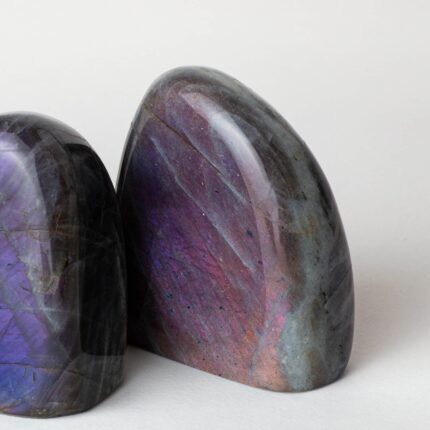
Colour and patterns: It is prized for its labradorescence, which reveals flashes of blue, green, gold and sometimes purple or orange.
Labradorite FAQs
👉 Why is labradorite called the protection stone?
Labradorite is known as a protection stone because it is believed to act as a shield against negative energies. In crystal healing, it is said to absorb harmful energies from your surroundings, whether they come from toxic people, stressful situations or electromagnetic pollution. It works like a filter, keeping unwanted energies from affecting your aura while strengthening your emotional defences. Labradorite is also associated with restoring inner energy, helping you find your balance and your centre – making it a precious ally for highly sensitive people and those working under pressure. With its shimmering sheen, it also symbolises inner light, bringing inspiration and confidence.
👉 How do you cleanse and recharge labradorite?
The most common way to cleanse labradorite is to rinse it gently under a trickle of cold water. You can also leave it on a bed of salt for a few hours, or on a quartz or amethyst cluster, which absorbs and transforms unwanted energies. To recharge it, place it in moonlight, ideally at full moon, or on a Flower of Life or crystal cluster. Avoid prolonged exposure to sunlight, which may dull its sheen.
👉 What are the benefits of labradorite?
Labradorite is valued for its many benefits on an energetic, emotional and spiritual level. As an energy shield, it is said to absorb and neutralise negative energies, protecting you from toxic people and oppressive environments. Emotionally, it helps to calm the mind and ease stress and anxiety, bringing serenity – especially for highly sensitive people. Spiritually, it stimulates intuition and imagination, strengthens your connection with the subconscious and is said to develop abilities such as clairvoyance. Its shimmering colours reflect its power to reveal your inner light and inspire creativity and self-confidence.
👉 Which star signs is labradorite best for?
Labradorite is a universal stone that suits every star sign thanks to its protective, balancing energy, but it is particularly beneficial for some. Gemini, often prone to a busy mind, can use it to regain balance and focus. Intuitive but sometimes oversensitive Pisces will benefit from its protection against negative outside influences. Sagittarius, always seeking adventure and personal growth, will appreciate how it stimulates intuition and imagination. Above all, it remains a versatile stone for everyone, offering energetic protection, mental clarity and creativity.
👉 Is labradorite a precious or semi-precious stone?
Labradorite is classed as a semi-precious stone. A member of the feldspar group, it is best known for its labradorescence, a shimmering play of colour from blue to green and gold, sometimes with violet hues. Although it is not as rare as precious stones such as diamond, ruby or sapphire, its beauty makes it truly exceptional, and some spectacular varieties, such as spectrolite, are highly sought after.
👉 What is the difference between labradorite and spectrolite?
Labradorite is recognisable by its labradorescence, which shimmers in shades of blue, green, gold and sometimes orange. It is mined in many parts of the world, notably Canada, Finland, Madagascar and Russia. Spectrolite is a rare, highly prized variety of labradorite mined only at Ylämaa in Finland. It is considered more valuable for its exceptional play of colour, which is more vivid and varied than in other labradorite. Some dealers use the name for brightly coloured labradorite from other sources, but strictly speaking, it should only be used for stones from Finland.