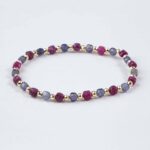
Ruby & Iolite Bracelet – CELINE
CHF 79
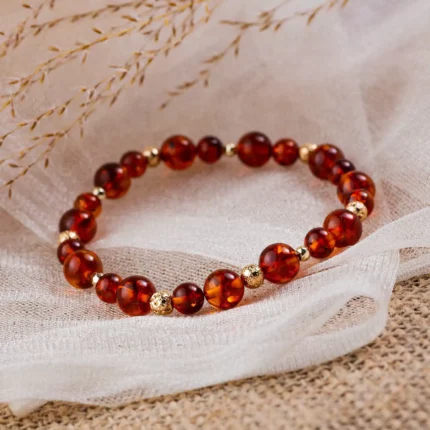
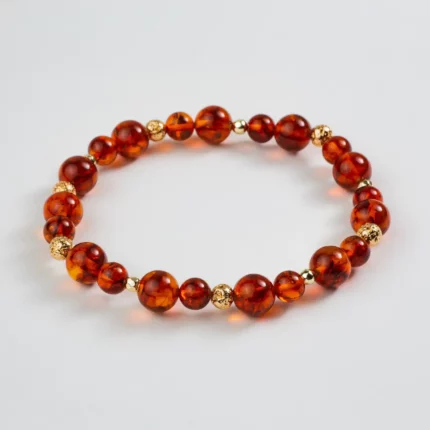
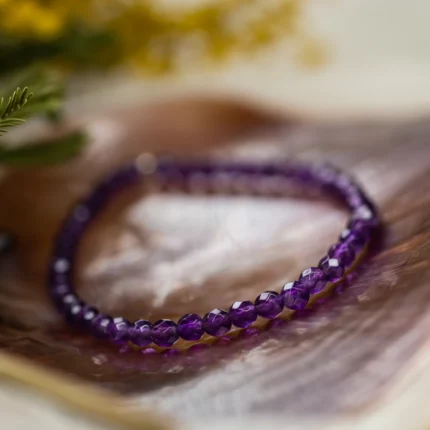
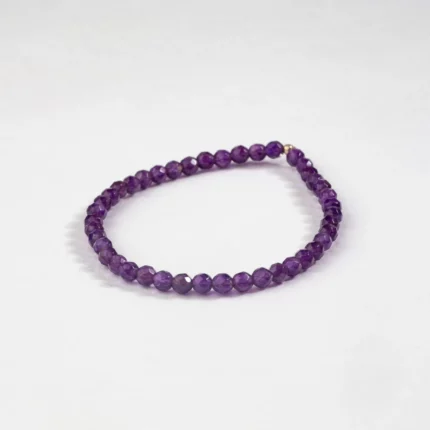
Handcrafted in our Geneva workshop with natural gemstones. Each piece is one of a kind, a unique expression of the stones’ natural beauty.
1 in stock
Every Sudamerica Stones bracelet is strung by hand in our Geneva boutiques, with each bead hand-picked for its beauty. We use a silicone cord chosen for its flexibility and strength, and guarantee it against breakage for one year. As every stone is unique, the bracelet you receive may look slightly different from the photos: it’s the sign of a truly natural piece.
Standard delivery or recorded delivery.
Click & Collect
Available within 1 to 2 working days.
- Cornavin Shop
- Balexert Shop
Delivery within Europe
CHF 10.- for delivery within Europe, excluding Switzerland.
For further information, please see our terms and conditions for delivery terms.
Back
Return period: 14 days.
Product information
| Size | 18 cm |
|---|---|
| Bead Size | 4 mm |
| Stringing Material | Silicone stretch cord |
Ruby & Iolite Bracelet – CELINE
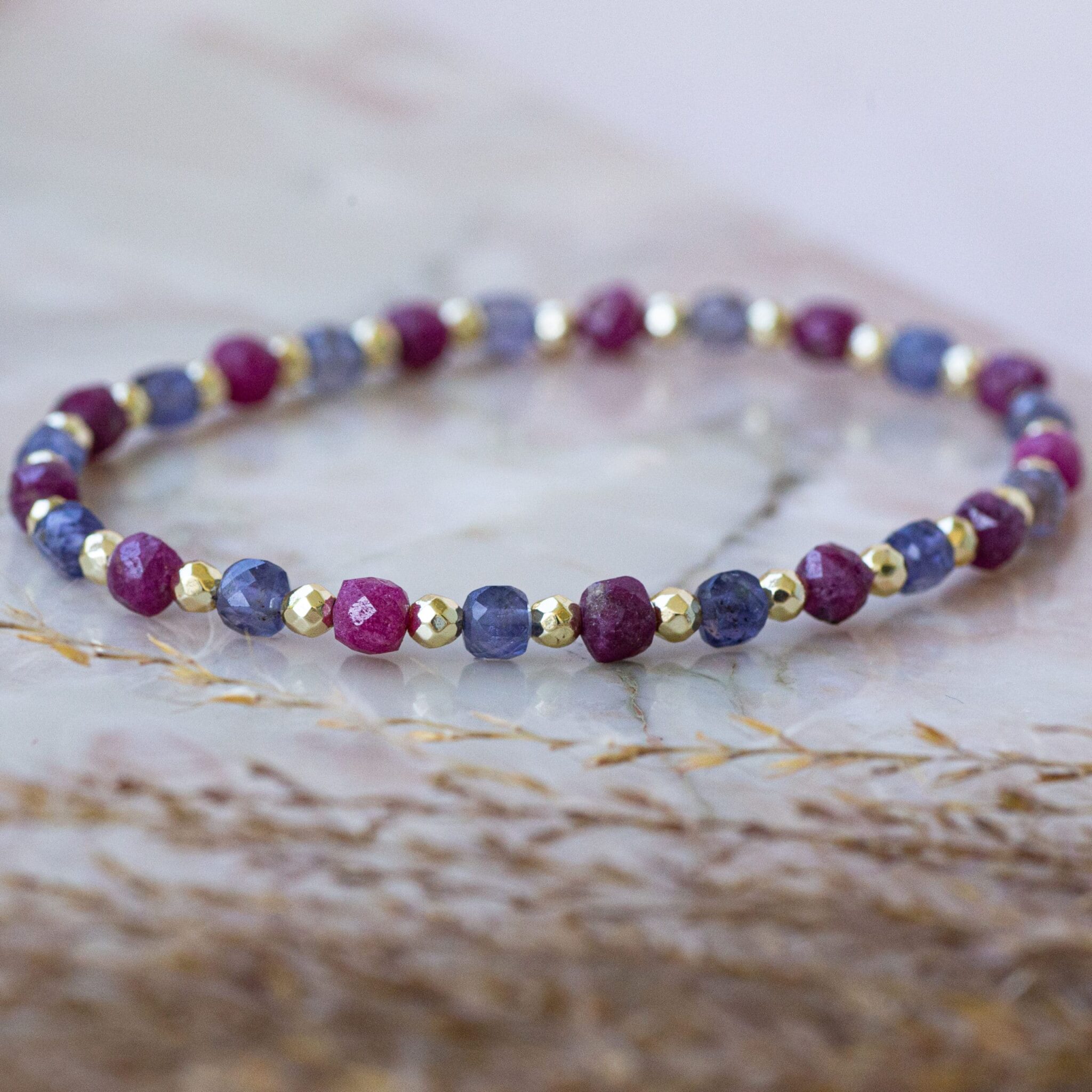
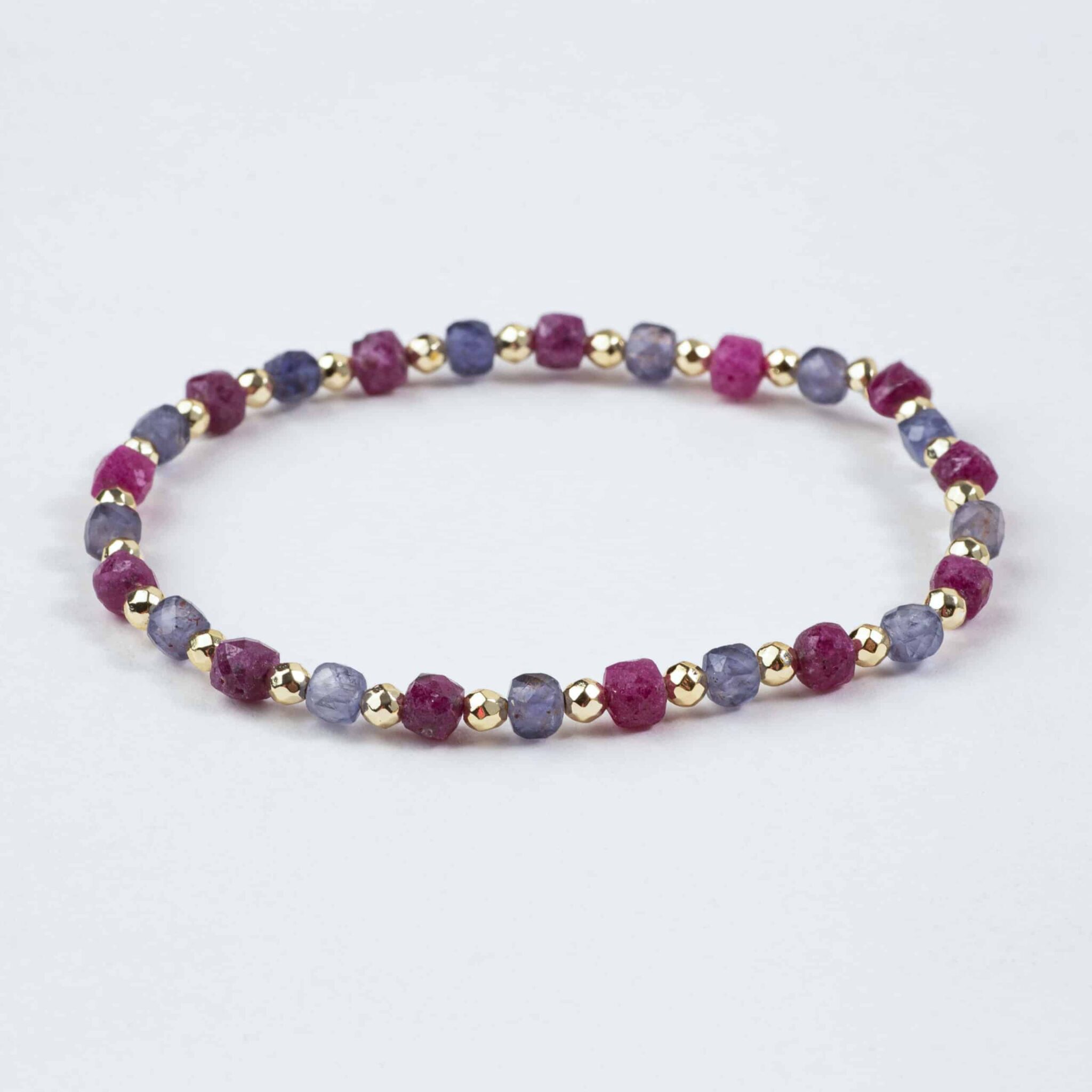
Gold-plated haematite beads add a touch of sparkle.
Symbolism of Ruby: Creativity – Energy – Passion
Symbolism of Iolite: Spirituality – Sleep – Clarity
About ruby
The name ‘ruby’ comes from the Latin ‘rubeus’, meaning ‘red’. Ruby is the red variety of corundum and owes its colour to chromium. It has been mined in Myanmar (formerly Burma) for over 2,000 years, and the Mogok mines are famous for producing some of the finest rubies in the world. In Sanskrit, ruby is called ‘ratnaraj’, meaning ‘king of gems’, and its colour was believed to reveal an unquenchable inner fire. In Christian tradition, it symbolises the blood of Christ and adorned cardinals’ rings until the Second Vatican Council. Over the centuries, many red stones have been mistaken for rubies: the famous Timur Ruby, a 361-carat gem engraved with the names of Mughal emperors and now in the British Royal Collection, is in fact a red spinel. Main deposits: Myanmar, Thailand, Sri Lanka, Cambodia, Mozambique, Tanzania, Vietnam, Afghanistan and Pakistan.
About iolite
The name ‘iolite’ comes from the Greek ‘ion’, meaning ‘violet’, after its colour. Also known as cordierite, it is a magnesium aluminium silicate. Iolite is strongly pleochroic, often visibly so: its colour shifts from blue-violet to pale grey or yellowish depending on the viewing angle. Legend has it that Viking navigators used thin slices of iolite to locate the sun on cloudy days. Main deposits: India, Sri Lanka, Tanzania, Brazil, Myanmar and Madagascar.