Onyx Stones & Jewellery
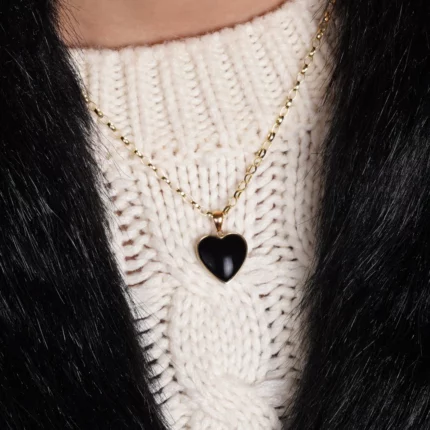
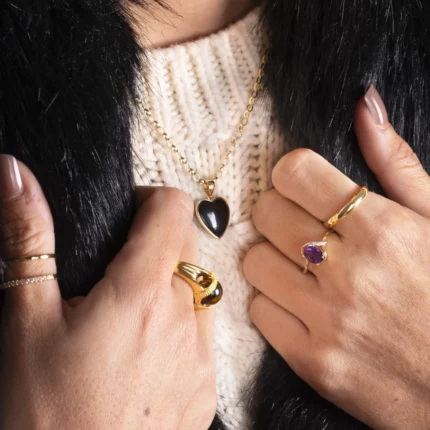
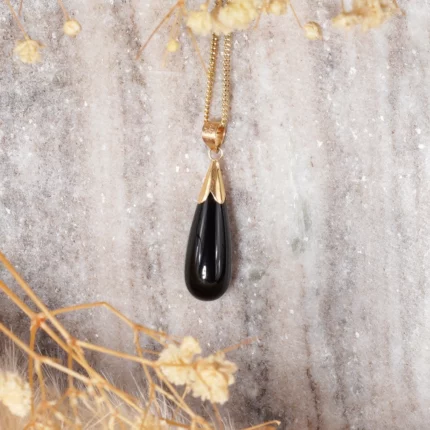
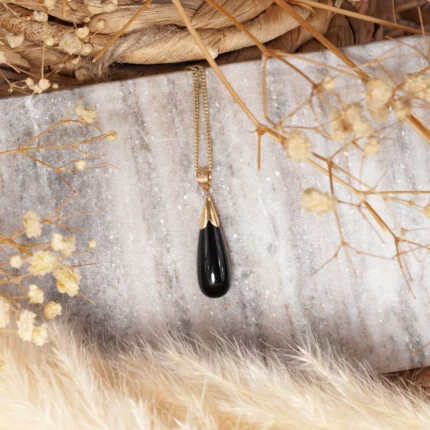
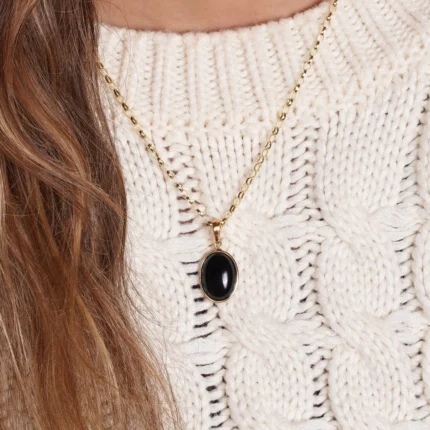
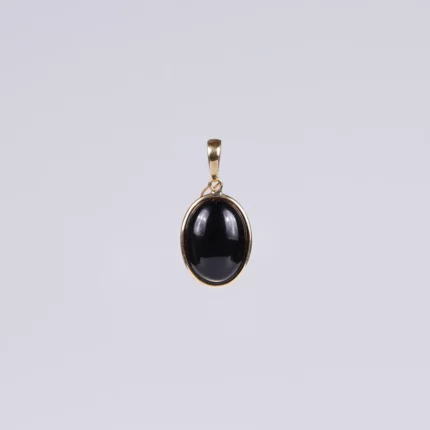
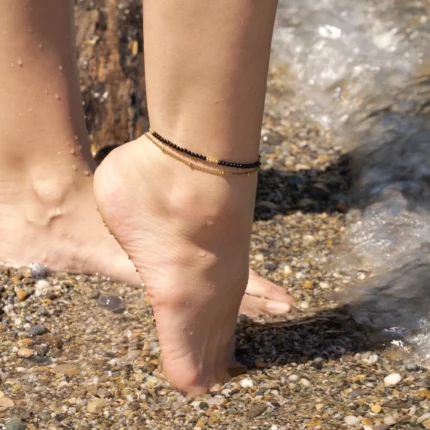
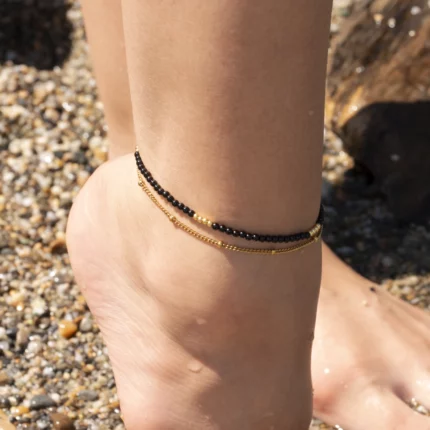
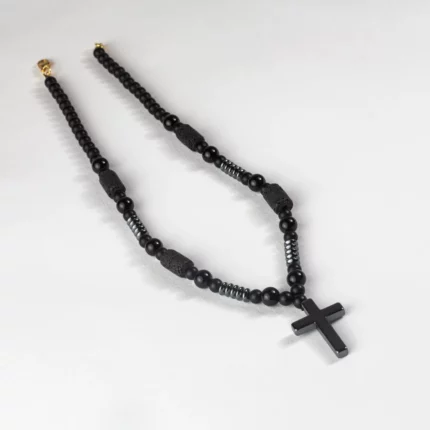
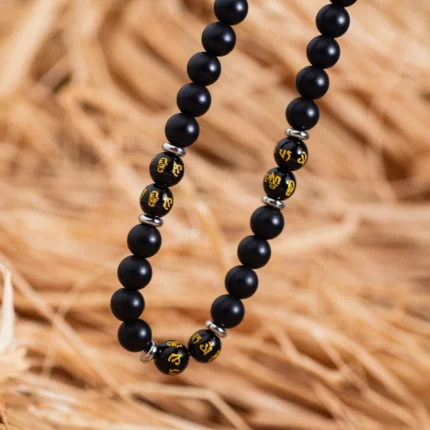
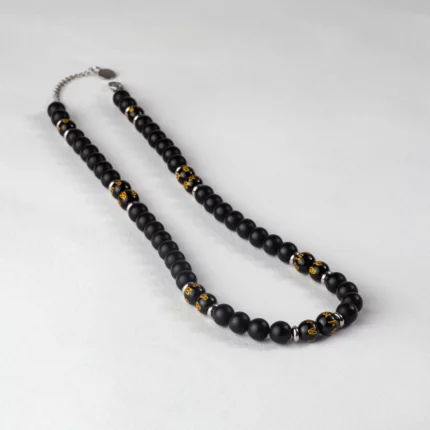
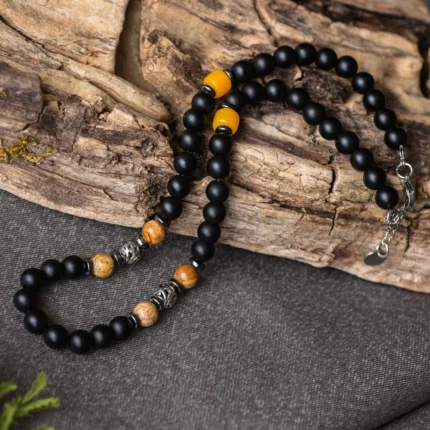
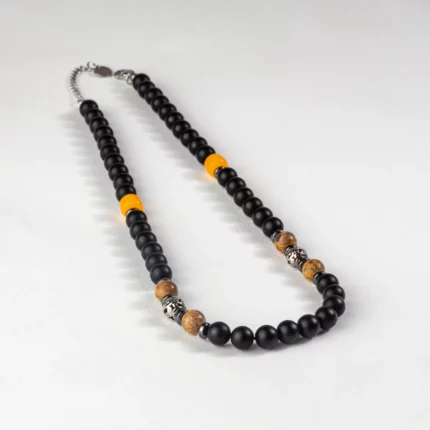
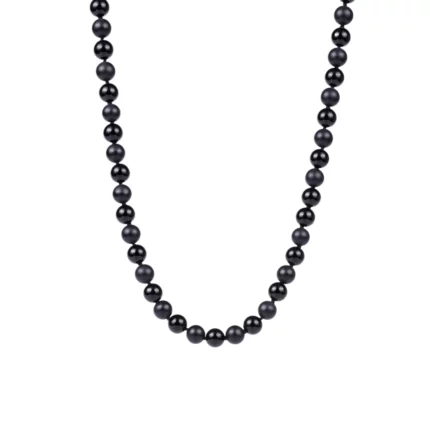
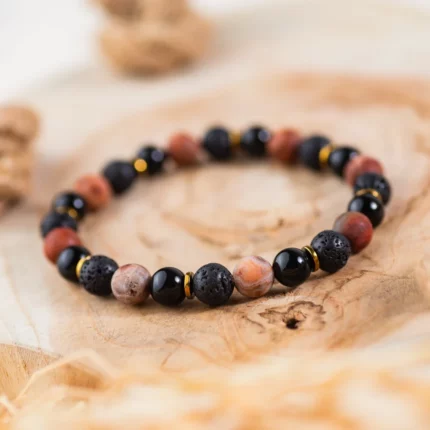
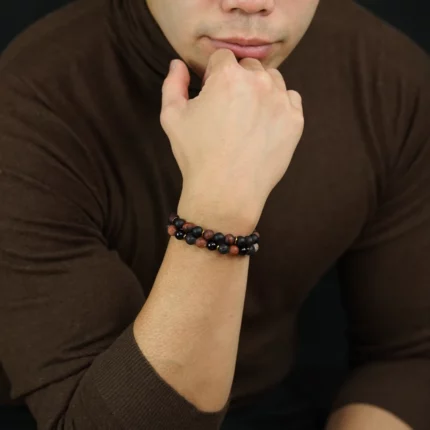
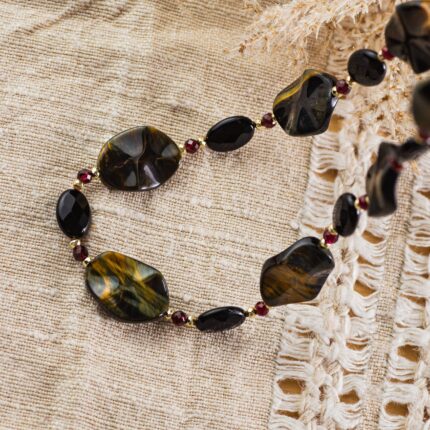
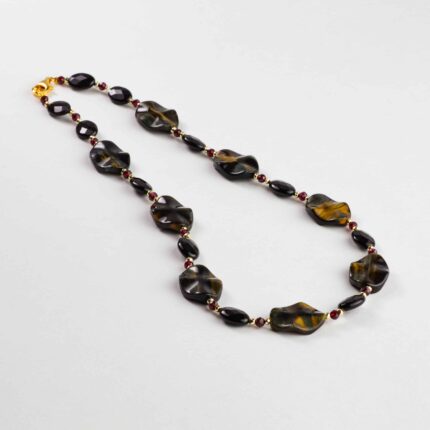
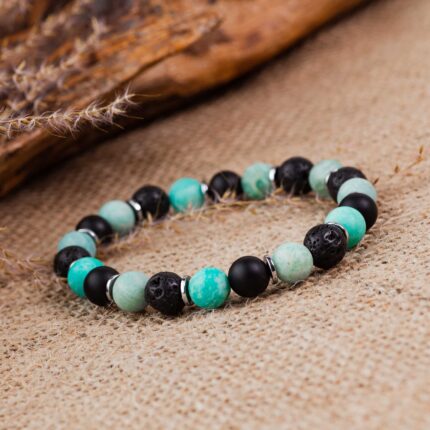
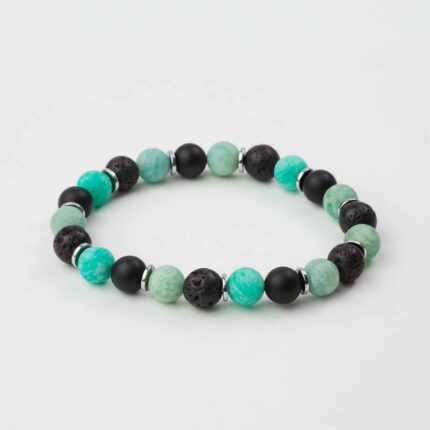
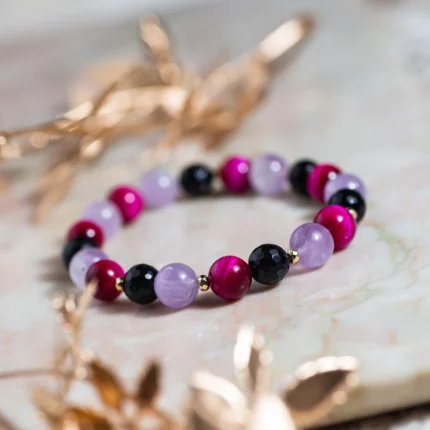
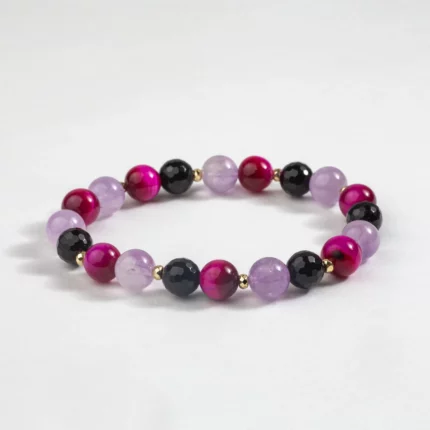
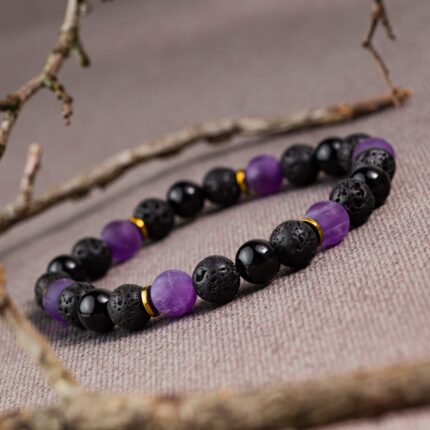
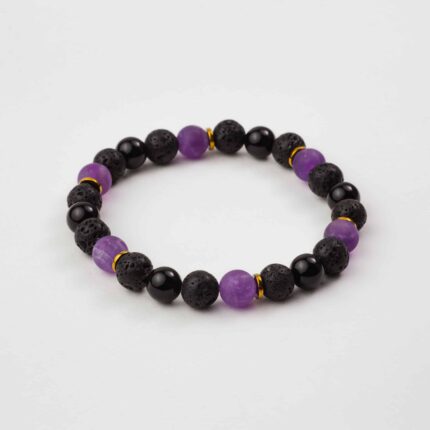
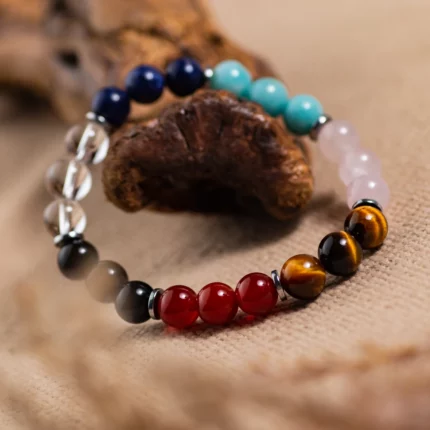
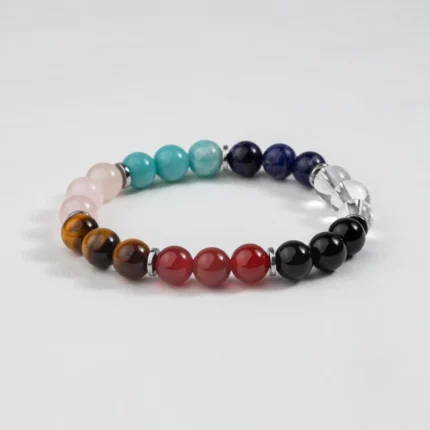
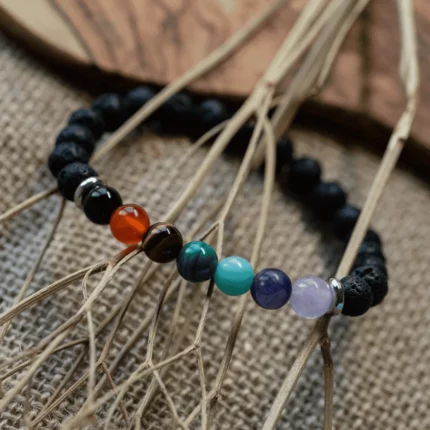
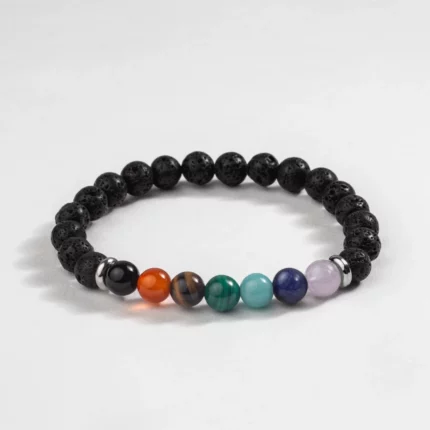
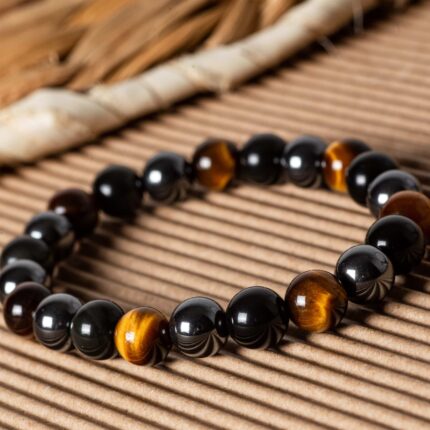
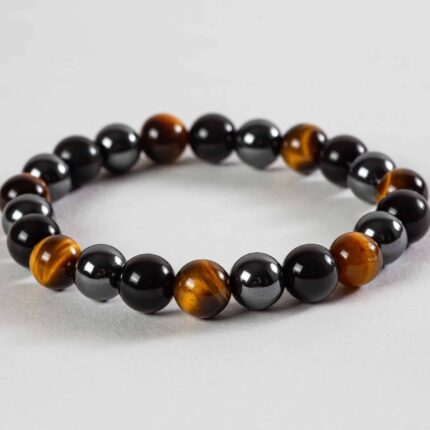
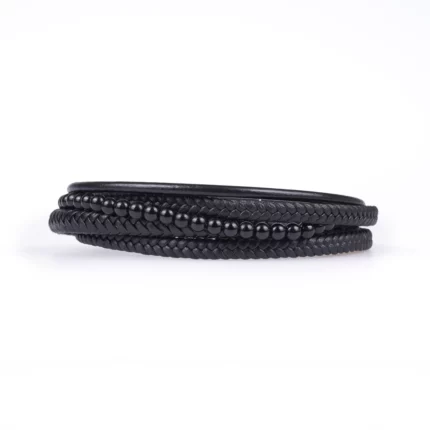
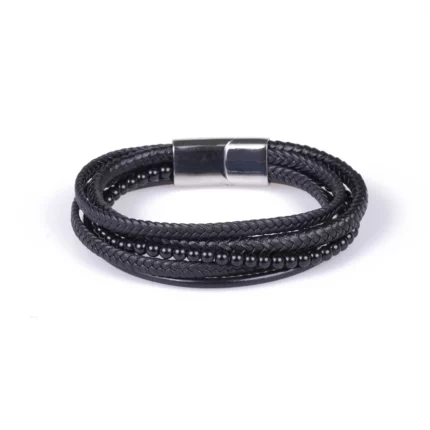
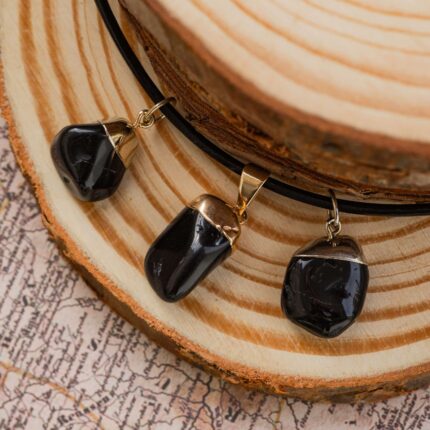
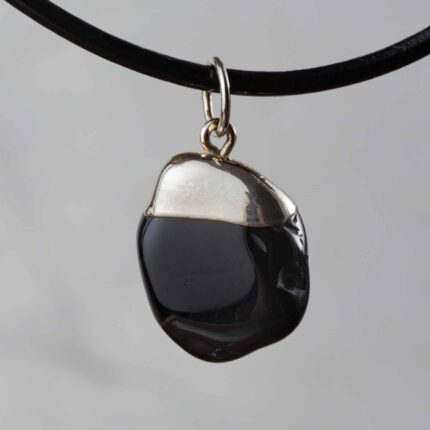
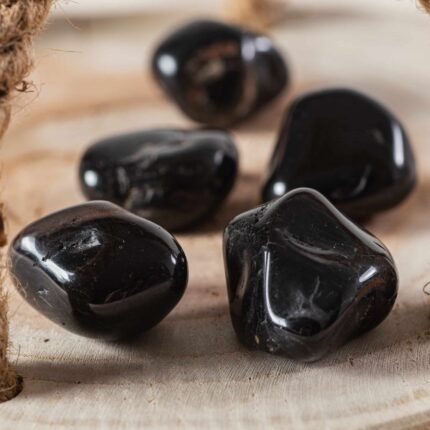
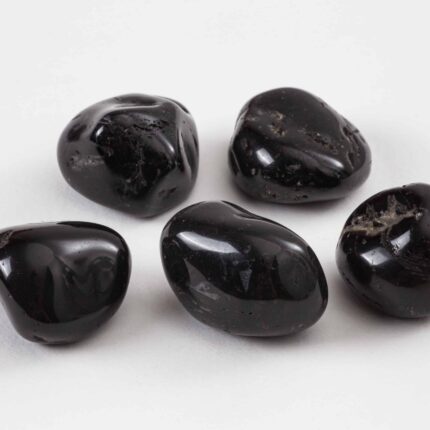
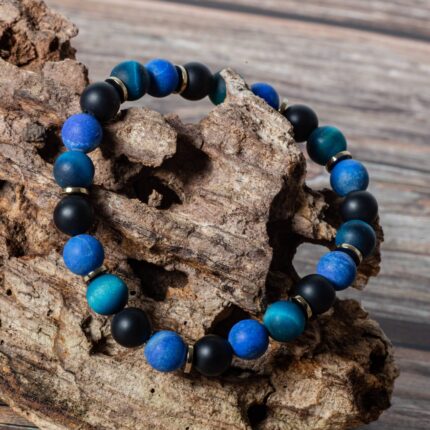
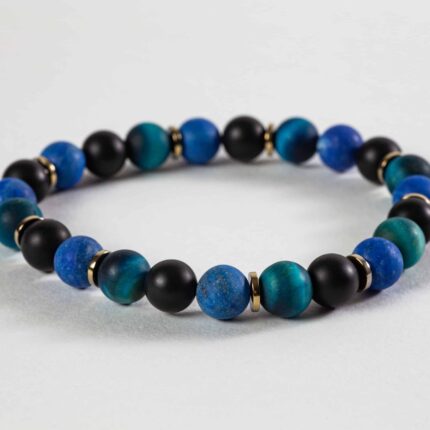
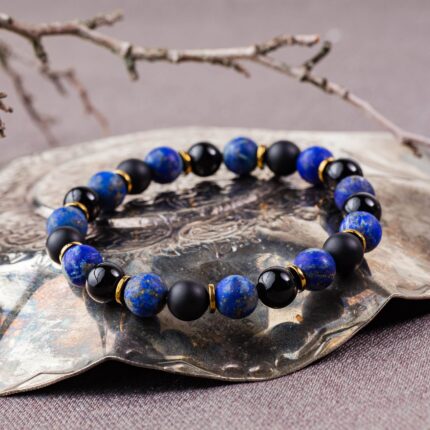
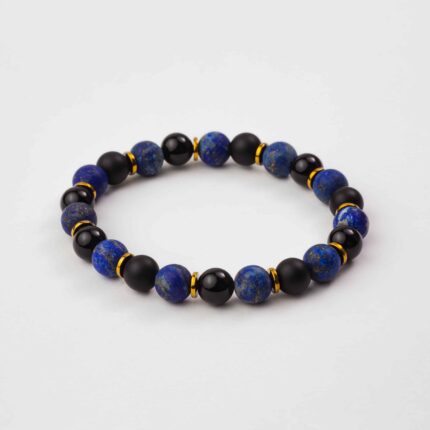
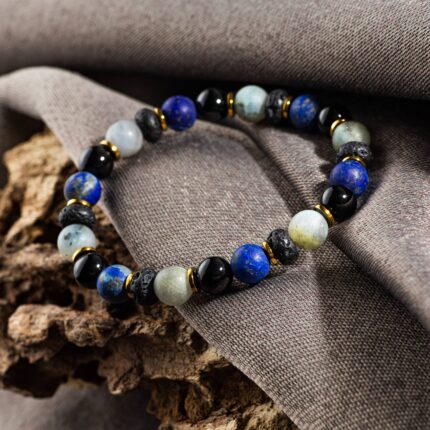
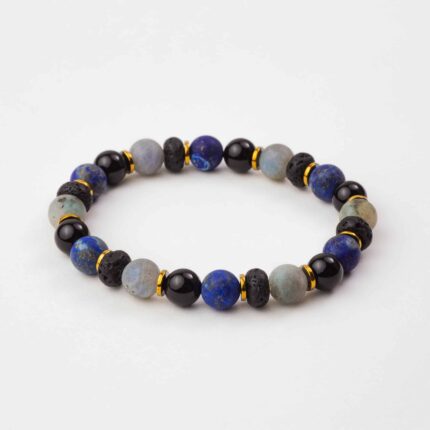
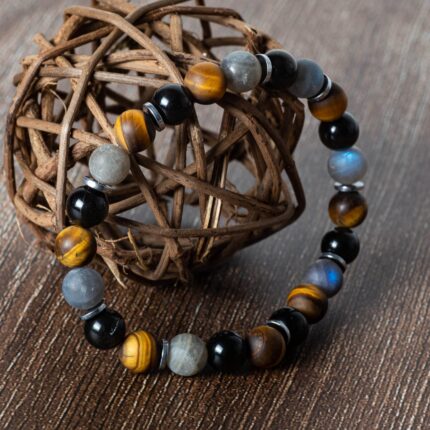
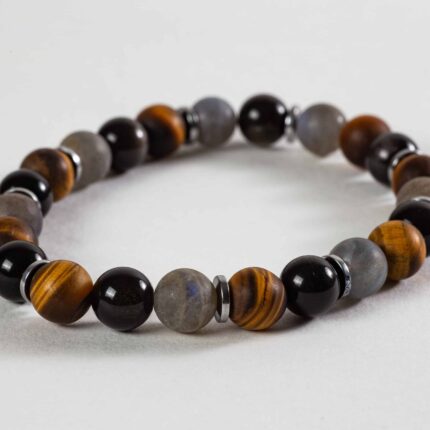
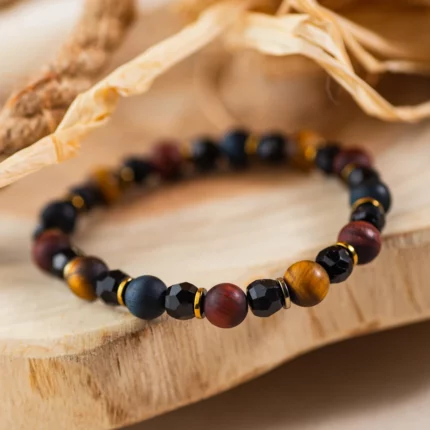
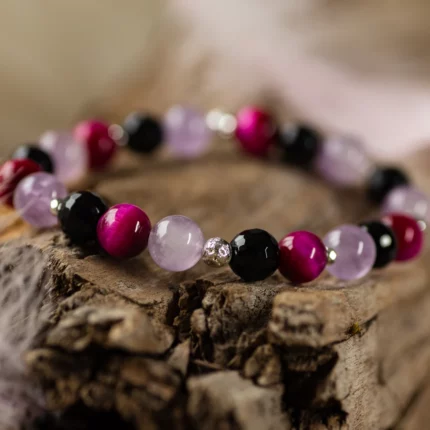
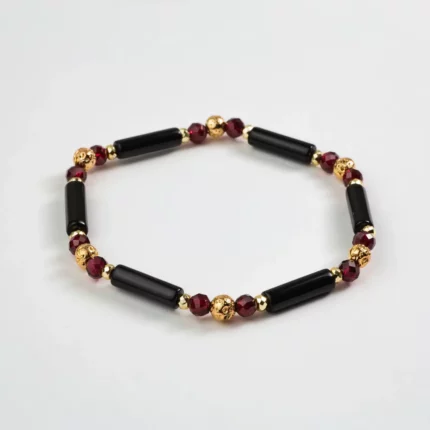
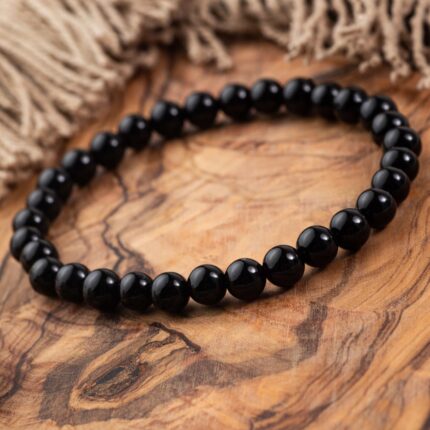
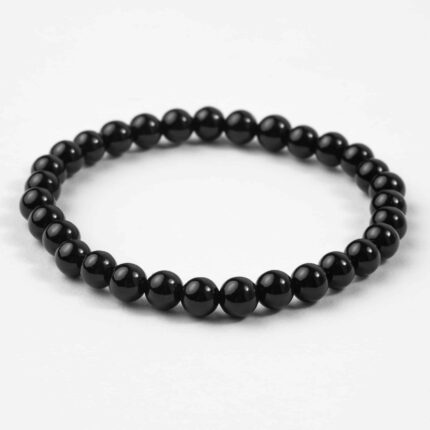
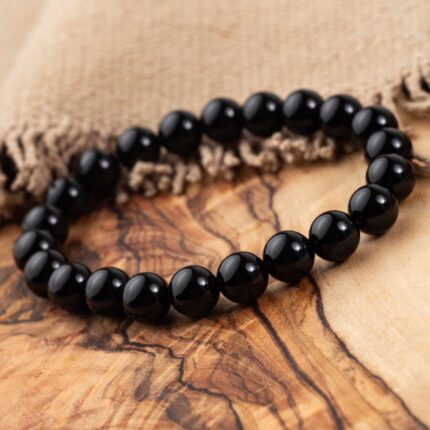
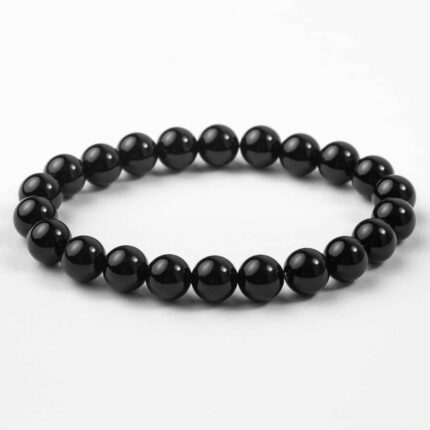
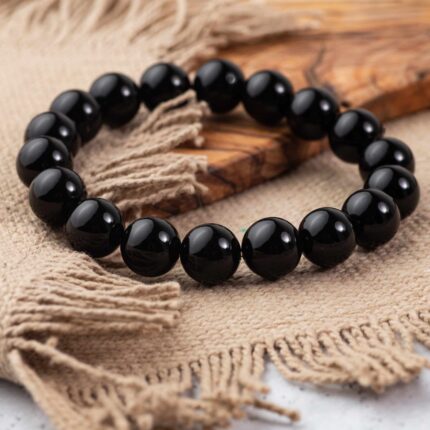
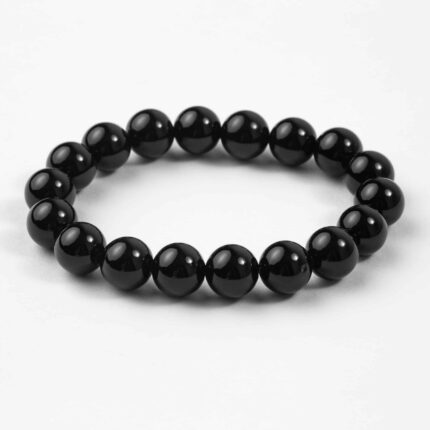
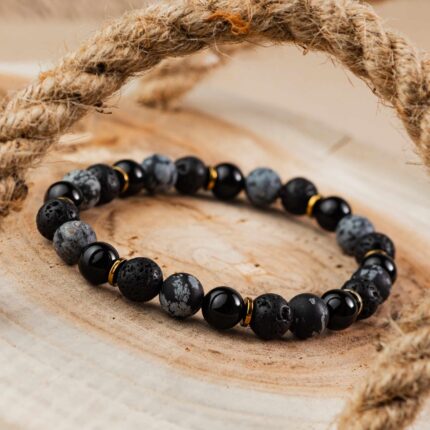
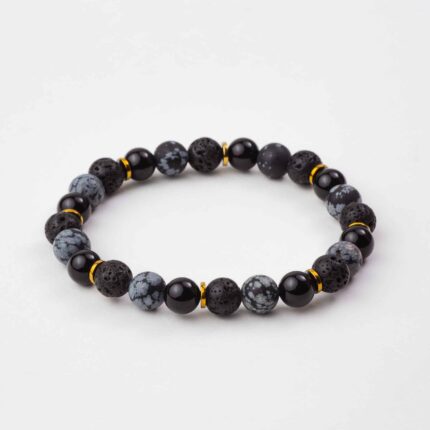
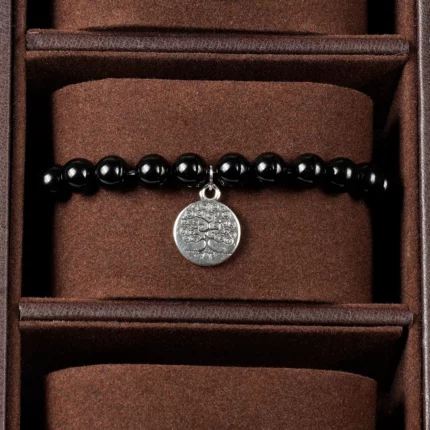
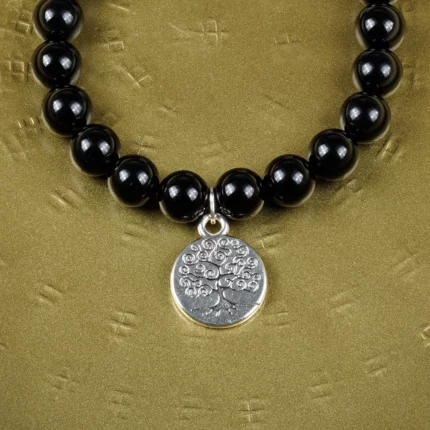
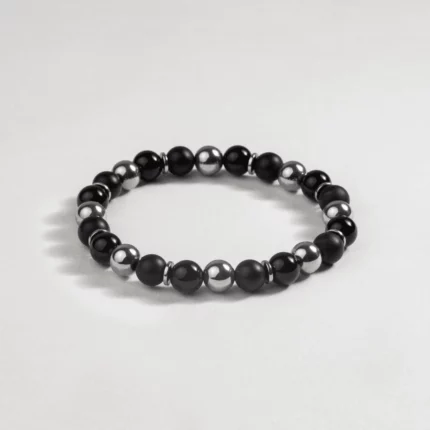
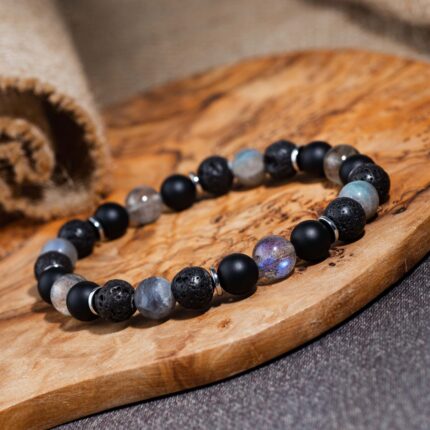
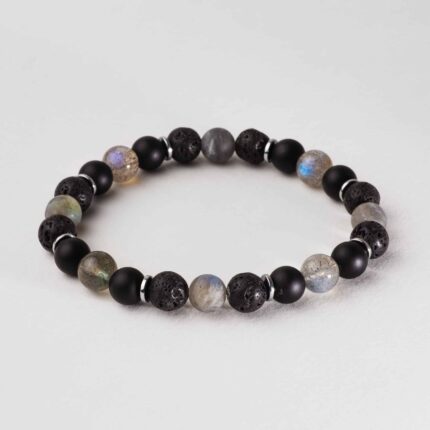
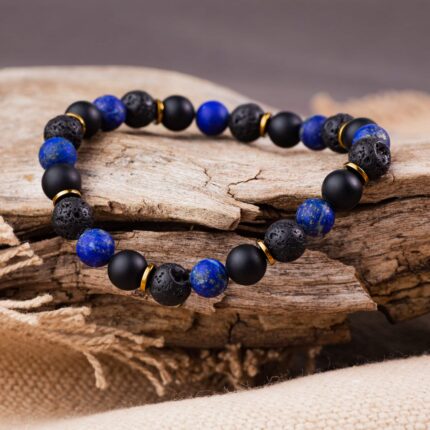
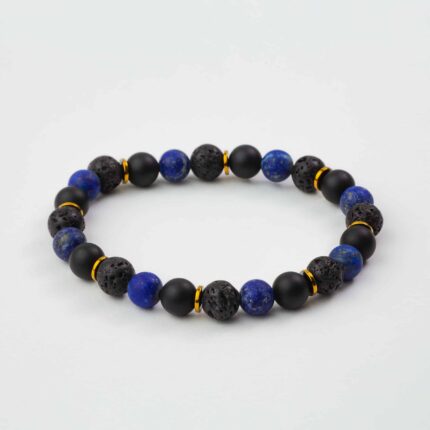
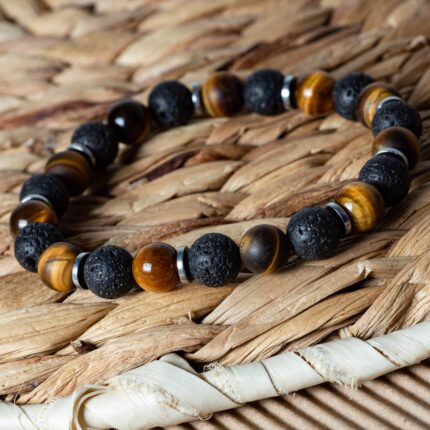
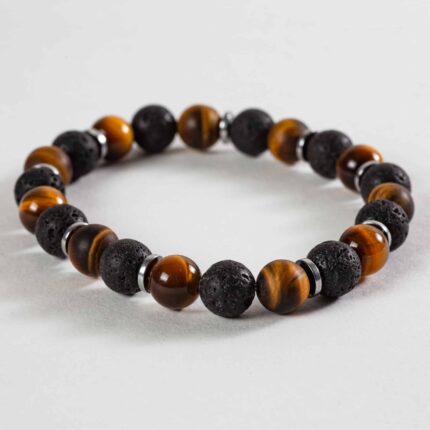
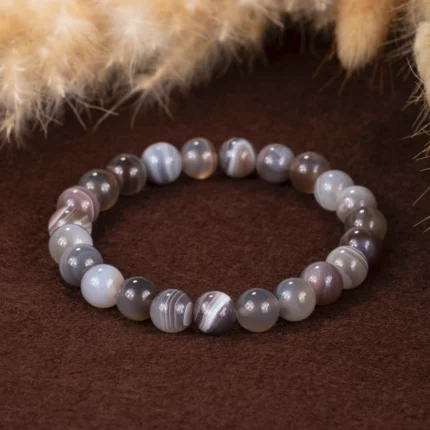
Discover our onyx collection, a semi-precious stone from the chalcedony family renowned for its deep black colour and elegance. A symbol of strength, protection and self-control, onyx is prized for its stabilising and grounding properties. Our selection includes jewellery as well as tumbled and rough stones.
By Price
Intention:
- Abundance 1
- Balance 10
- Calm 1
- Clairvoyance 6
- Clarity 2
- Communication 4
- Confidence 29
- Courage 6
- Creativity 2
- Energy 3
- Focus 17
- Grounding 19
- Harmony 5
- Healing 4
- Intuition 10
- Joy 1
- Letting go 3
- Love 2
- Luck 5
- Peace 4
- Positivity 1
- Protection 25
- Purification 5
- Sleep 4
- Spirituality 7
- Strength 24
- Wisdom 7
Materials:
- Brass 1
- Faux leather 1
- Gold 3
- Gold-plated 1
- Natural gemstones 33
- Steel 5
- Wood 1
Showing all 38 results
Discover our other gemstones
Elegant and mysterious, onyx has been carved into jewellery, seals and sculptures since antiquity. Below, discover where it comes from, what it symbolises, its crystal healing properties and how to care for it.
Origin of Onyx
The name ‘onyx’ comes from the Ancient Greek onux, meaning ‘nail’ or ‘claw’, as its paler varieties resemble a fingernail. A variety of chalcedony, itself a microcrystalline form of quartz, onyx is traditionally recognised by its straight, parallel bands of colour, often black and white. It also comes in solid black, as well as white and green varieties. Among the best known are eye onyx and nicolo. Onyx forms in cavities in volcanic and sedimentary rocks, where successive layers of silica create its characteristic bands. The largest deposits today are in Brazil, Mexico and India, with other notable sources in Uruguay, the United States, Pakistan and Madagascar.
History and Symbolism of Onyx
Onyx has been used since antiquity for jewellery, seals and sculptures, as it can be carved with great precision. In Egypt, it was already being worked during the Second Dynasty. Sardonyx, a variety combining bands of reddish-brown sard and white, has been found in Minoan art at Knossos, on Crete.
Onyx is mentioned several times in the Bible. In the Book of Revelation, it is one of the twelve foundation stones of the heavenly Jerusalem, and in the Book of Exodus, onyx stones engraved with the names of the sons of Israel are set on the High Priest’s garments.
In the 1st century, the naturalist Pliny the Elder described the different varieties of onyx in his Natural History, along with techniques used to alter their appearance.
Black onyx, however, has often been associated with bad luck. In Arabic, it is called al-jaza’, a word linked to anguish and sadness. A text from 1875 reports that in China, no one wanted to touch or own the stone for fear of misfortune – so merchants exported it to the West, where its reputation did not stand in the way of business.
In 1560, the mathematician and astrologer Girolamo Cardano wrote that in India, this variety of chalcedony was used to cool the ardour of love.
In The Curious Lore of Precious Stones, the mineralogist George F. Kunz describes how the Bghai people of Myanmar made offerings to stone figures representing spirits, some of them carved in onyx, to keep them from harming their families.
The name ‘onyx’ is also used in architecture and decoration, but there it usually refers to onyx marble, a banded, translucent form of calcite rather than chalcedony. Art Deco designers of the 1920s used green onyx marble for trays, bowls and the bases of Ferdinand Preiss’s famous chryselephantine sculptures. In Brno, the Villa Tugendhat, designed by Mies van der Rohe and now a UNESCO World Heritage Site, features a wall of golden onyx marble from the Atlas Mountains that softly filters the light. The staircase of the Hôtel de la Païva in Paris is also made of onyx marble.
Today, the name ‘onyx’ mainly refers to the black variety. Much of what is sold under this name, however, is actually dyed agate.
Crystal Healing Properties of Onyx
Black onyx is very popular in crystal healing. Associated with inner strength, focus and emotional balance, it is also believed to have powerful protective qualities.
Emotional Balance
-
Soothing the Emotions: Onyx helps you ground yourself in the Earth’s energy, steadying the emotions and chasing away negative thoughts. It is particularly recommended during times of stress or sadness.
-
Inner Strength: By strengthening your inner resolve, it supports self-control and decision-making in moments of doubt, helping you stay persistent and focused on long-term projects.
Physical Wellbeing
-
Resilience: Onyx is said to strengthen the body’s resistance to outside stress. Some traditions also associate it with relieving physical pain, particularly in the bones and joints, and with supporting dental health.
Spiritual Harmony
-
Energetic Grounding: Onyx helps to stabilise spiritual energy and strengthen the connection between body and mind. It brings you back to what matters most, helping you stay present and undistracted.
-
Protection and Purification: Often used as a shield against negative energies, it creates a calm, protected space. It is also said to help clear karmic energies and old memories, releasing past hurts.
Onyx and the Chakras
| Root Chakra (Muladhara) | Onyx is deeply connected to the root chakra, at the base of the spine, which governs stability, grounding and security. As a powerful energetic stabiliser, it boosts self-confidence, dispels fears and keeps you grounded in the present moment. |
Which Stones Go Well with Onyx?
Pairing onyx with other stones creates harmonious combinations that amplify or complement its properties. Here are a few of our favourites.
-
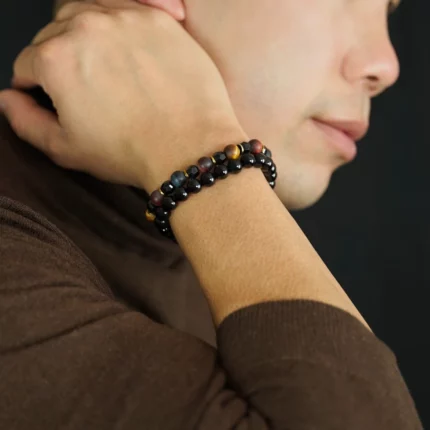
Onyx & Tiger’s Eye: A powerful pairing for self-confidence, courage and resilience. Tiger’s eye energises the will and turns negative thoughts into positive energy. Together, they strike a perfect balance between stability and motivation, easing anxiety, protecting the aura and boosting self-esteem.
-
Onyx & Garnet: An ideal combination for emotional stability, vitality and self-confidence. Garnet is an energising stone that fuels passion, motivation and inner strength. Together, they keep you grounded while bringing the drive and creativity you need to get through stressful times.
-
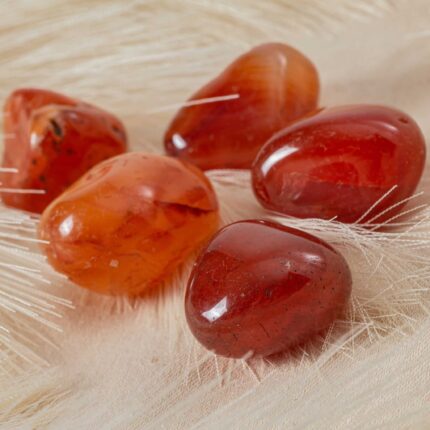
Onyx & Carnelian: A perfect pairing for grounding and vitality. Carnelian brings motivation, self-confidence and enthusiasm. Together, they balance stability and energy, easing anxiety while encouraging positivity and creative expression.
-
Onyx & Rose Quartz: A harmonious pairing for grounding, protection and emotional healing. Rose quartz, the stone of love and gentleness, opens the heart, soothes the emotions and nurtures compassion. Together, they combine protection and kindness, encouraging self-love and harmonious relationships.
-
Onyx & Malachite: A pairing that strengthens resilience and encourages deep inner growth. Malachite is a stone of transformation that absorbs negative energies, encourages renewal and releases emotional blockages. Together, they bring balance and grounding while embracing change, helping you navigate times of transition with clarity and serenity.
Caring for and Using Onyx
Cleansing and Recharging
Onyx absorbs negative energies, so regular cleansing and recharging help it keep its full power.
Cleansing: Rinse it under cold water for a few moments, or leave it overnight on a quartz or amethyst cluster for a gentle cleanse. Burying it in the earth for a few hours is another natural way to restore its energy.
Recharging: Onyx is best recharged overnight in moonlight, ideally at full moon. Avoid prolonged exposure to sunlight, which could alter its appearance. You can also place it on a Flower of Life.
Care
Cleaning: Clean it regularly with water and a mild soap, then dry it with a soft cloth. Avoid chemicals and abrasive cleaners, which can damage the surface.
Storage: Store it separately from other jewellery, ideally in a soft pouch or padded jewellery box, to keep it safe from scratches by harder stones.
Precautions: Onyx can crack if knocked, particularly along its bands, and is sensitive to sudden changes in temperature and harsh chemicals. Take off your jewellery for sport, housework and similar activities.
How to Use Onyx
Meditation: Onyx is an excellent aid to meditation, encouraging grounding, stability and focus. Hold it in your hands or keep it close to you to calm the mind, keep negative thoughts at bay and strengthen your inner resolve.
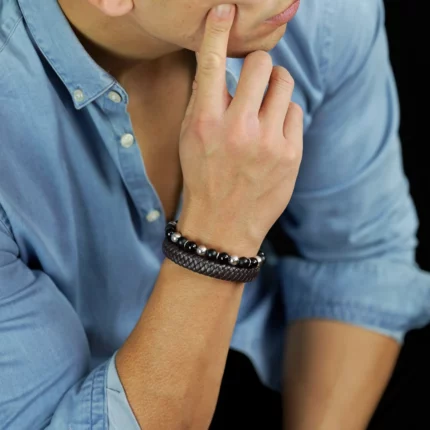
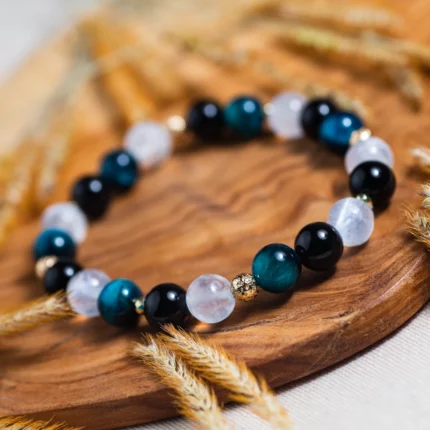
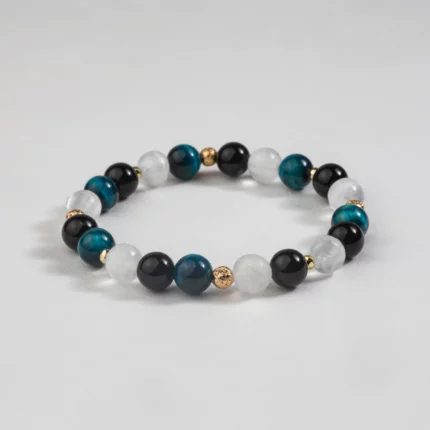
Jewellery: Worn as a bracelet, ring or pendant, onyx jewellery acts as an energy shield and boosts self-confidence. Its elegant black goes with any outfit.
Decoration: At home or at work, onyx adds a touch of elegance and helps to create a calm, protective atmosphere by absorbing negative energies.
Mineralogy and Composition of Onyx
Onyx is a variety of chalcedony, a microcrystalline form of quartz belonging to the silicate family. It is characterised by its straight, parallel bands, often black and white, though other colours can appear depending on the mineral impurities present. Mainly composed of silicon dioxide, its banded patterns are the result of successive layers of silica deposited over time in rock cavities.
| Group / family | Quartz |
| Subgroup | Microcrystalline quartz / Chalcedony |
| Chemical class | Silicate |
| Chemical formula | SiO₂ (+ 1 to 10% Al₂O₃, Fe₂O₃, CaO, MgO, K₂O, Na₂O, H₂O…) |
Formation
Onyx forms mainly in volcanic environments, inside cavities left by gas bubbles in solidified lava. Silica-rich fluids seep into these cavities and settle in successive layers, creating its characteristic alternating bands. The colour of each layer depends on the mineral impurities present, such as iron or manganese. Onyx shares this formation process with other varieties of chalcedony, such as agate, and when a cavity is only partly filled, it may contain well-formed quartz crystals.
| Main component | Silicon dioxide: Like quartz, onyx is mainly composed of silicon dioxide. Without impurities, its layers appear white or creamy. |
| Colouring elements | Iron oxides: Responsible for red, brown and yellowish shades. |
| Manganese oxides: Contribute to black or very dark colours. | |
| Iron hydroxides: Produce warmer shades, from orange to yellowish brown. | |
| Other | Light scattering: A thin, pale layer over a dark one scatters the light, creating the greyish to bluish tones seen in nicolo. |
Physical Properties of Onyx
| Hardness and Durability | Mohs scale: 6.5 to 7, making it scratch-resistant, though it still needs a little care.
Impact resistance: Fairly robust, but it can crack or break under a hard knock, particularly along its bands. |
| Refraction of Light | Refractive index: Approximately 1.53 to 1.54, giving it a soft lustre rather than the bright sparkle of transparent stones such as clear quartz. |
| Birefringence: Low and not visible to the naked eye. | |
| Density | Specific gravity: 2.55 to 2.60, slightly lower than quartz. |
Transparency and Appearance
Transparency: Generally opaque, sometimes translucent.
Colour: From deep black and pure white to grey, red, brown and yellow, as well as banded combinations such as sardonyx, with its alternating white and reddish-brown layers.
Onyx FAQs
👉 What are the benefits of onyx?
In crystal healing, onyx is known for its grounding, protective and stabilising properties. It brings a sense of security and calm, strengthening mental and physical balance, and acts as a shield against negative energies and unwanted outside influences. Onyx also encourages self-control, helping you overcome fears and doubts while bringing lasting emotional stability. It supports anyone going through stress or uncertainty, offering a solid foundation for making good decisions. In meditation, it helps to refocus the mind and quieten distracting thoughts.
👉 Which star signs is onyx best for?
Onyx benefits every star sign thanks to its protective, stabilising energy. Earth signs (Taurus, Virgo, Capricorn) will find their grounding strengthened and their emotions soothed. Fire signs (Aries, Leo, Sagittarius) can use it to temper their impulsiveness and channel their energy. Water signs (Cancer, Scorpio, Pisces) will find it a protective stone that keeps them anchored in reality. And Air signs (Gemini, Libra, Aquarius) will appreciate how it helps them refocus and stay balanced despite their changeable nature.
👉 How do you cleanse onyx?
There are several ways to cleanse and recharge onyx. To cleanse it, run it under cold water for a few minutes, or leave it overnight on a quartz or amethyst cluster, which purifies the energy of other stones. To recharge it, leave it in the light of the full moon overnight, bury it in the earth for a few hours, or place it on a Flower of Life.
👉 How can you tell if it’s onyx?
Traditionally, onyx is recognised by its regular, contrasting bands, often black and white, or reddish-brown and white in sardonyx. Straight, even bands are a good indicator. Onyx is also fairly hard (6.5 to 7 on the Mohs scale) and resists scratching. For a reliable identification, however, the best option is to consult a gemmologist, who can confirm the nature of the stone with specialist tools.
👉 How much is onyx worth?
The price of onyx varies with its quality, colour, size and origin, but it is generally very affordable: small tumbled stones cost around 10 CHF. Rarer varieties, such as sardonyx with its distinctive coloured layers, can command higher prices. Onyx jewellery – rings, necklaces or bracelets – typically costs between 70 and 200 CHF, depending on the size of the stone, the design and the other materials used (gold can significantly increase the price).
👉 What is the difference between onyx and agate?
Onyx and agate both belong to the chalcedony family and form in the same way, but they differ in appearance. Onyx has straight, parallel bands, usually black and white, while agate shows curved, often concentric bands in a wide range of colours, sometimes with inclusions. Onyx is prized for elegant jewellery and decorative objects, while agate is loved for its varied patterns and vibrant colours.